
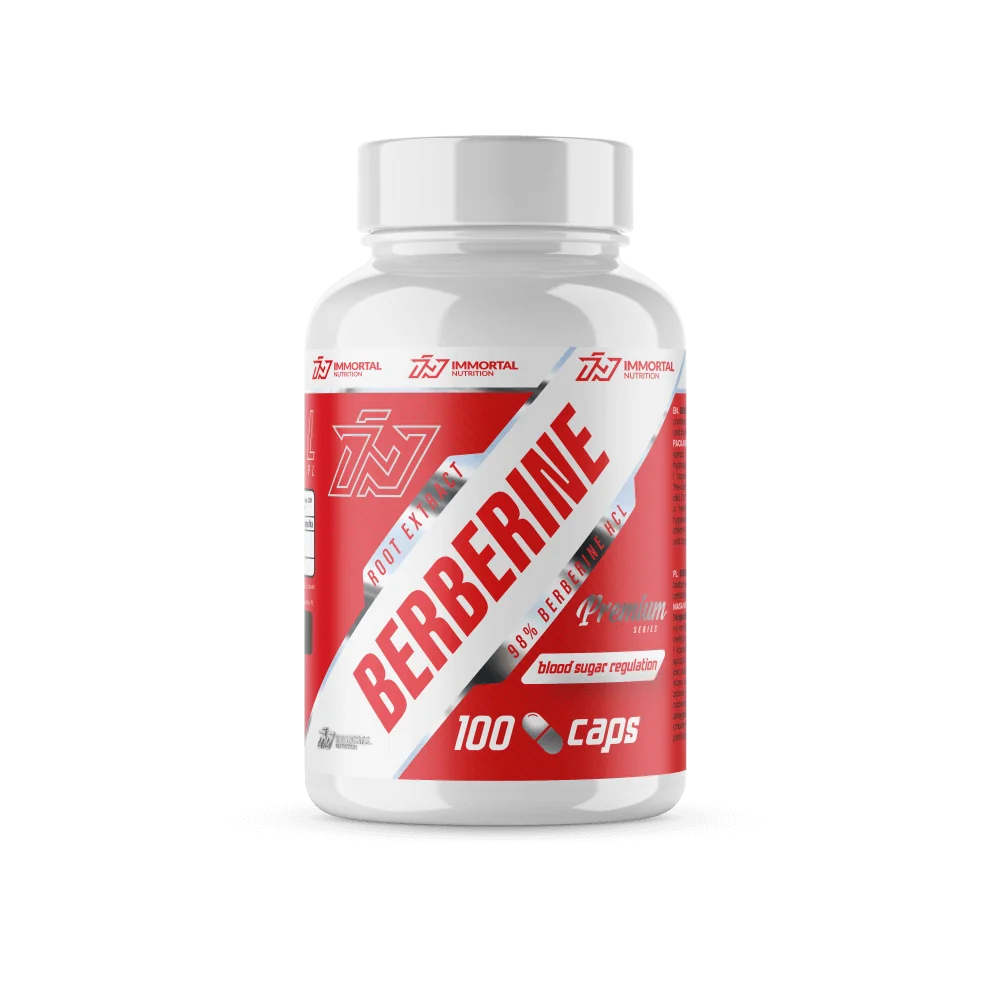
Description
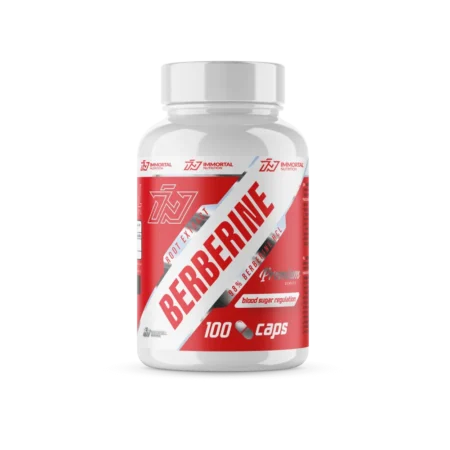
Berberine is a food supplement featuring Berberine HCl, a compound extracted from various plants used in traditional medicine. Known for its impressive array of health benefits, Berberine HCl is particularly noted for its ability to support metabolic and cardiovascular health.
WHAT IS BERBERINE?
Berberine is a bioactive compound extracted from several different plants, including a group known as Berberis. Traditionally used in Chinese and Ayurvedic medicine for its antimicrobial, anti-inflammatory, and anti-diabetic properties, berberine has garnered attention in the scientific community for its potential health benefits. This yellow-colored alkaloid is found in the roots, rhizomes, stems, and bark of plants and has been used to treat various ailments for centuries. Berberine works at the molecular level, with studies showing that it can influence the body’s cells to improve metabolic health, reduce inflammation, and fight bacteria. Its most notable effect is on blood sugar levels, where it has been shown to significantly reduce glucose levels in people with type 2 diabetes, akin to the effect of some diabetes medications.
Beyond its anti-diabetic effects, berberine has a wide range of health benefits. It’s been shown to improve heart health by reducing cholesterol levels and decreasing blood pressure, making it a valuable supplement for those looking to reduce their risk of heart disease. Additionally, berberine may aid in weight loss by improving the function of fat-regulating hormones such as insulin and leptin, and by increasing the burning of fat. The compound also exhibits significant antimicrobial activity, which can help fight infections caused by bacteria, viruses, and fungi. Given its broad spectrum of benefits and the growing body of research supporting its use, berberine is becoming increasingly popular as a dietary supplement for those seeking to improve their health naturally.
HOW DOES BERBERINE WORK?
Berberine is a bioactive compound extracted from several plants, including the Berberis shrub family. It has a long history of use in traditional Chinese and Ayurvedic medicine. Berberine is known for its distinctive yellow color and has been utilized for various health conditions, primarily due to its potent antimicrobial properties. Beyond its traditional use, modern research has revealed that berberine has a broad spectrum of metabolic and cardiovascular benefits. It’s particularly noted for its ability to improve insulin sensitivity and lower blood sugar levels in individuals with type 2 diabetes. Moreover, berberine has been shown to have positive effects on lipid profiles, potentially reducing cholesterol levels and supporting heart health. Its mechanism of action is complex, involving multiple cellular pathways and affecting various aspects of physiological regulation.
Berberine operates through several mechanisms to exert its health benefits:
- Metabolic Regulation: Enhances insulin sensitivity and increases glycolysis, helping to lower blood sugar levels.
- Lipid Profile Improvement: Reduces the production of liver cholesterol, lowers LDL (bad) cholesterol and triglyceride levels, and increases HDL (good) cholesterol.
- Anti-inflammatory Effects: Inhibits the production of inflammatory markers, which can contribute to chronic conditions and insulin resistance.
- Antimicrobial Activity: Demonstrates strong antimicrobial properties against a wide range of bacteria, viruses, fungi, and parasites.
- Cardiovascular Support: Improves endothelial function, contributing to better blood vessel health and reduced risk of heart disease.
- Weight Management: May aid in weight loss and prevent obesity by enhancing fat metabolism and reducing fat storage in the liver.
Reviews
There are no reviews yet.